Sunday, July 22, 2018

Book Review: An Excess Male, by Maggie Shen King

This is one of the best book I've read.

Set in a near-future China, An Excess Male follows the story of Wei-Guo as he tries to marry into the family of Mei-ling as her third husband. Extrapolating from the present-day consequences of China's one-child policy, Maggie Shen King envisions a dystopia where an excess of males (over 40 million) in the population has lead to women taking second and now third husbands. These unmarriageable men are known as 'The Bounty,' and most of their lives are centered around raising money for a dowry and hoping they are lucky enough to impressive the right woman.

We begin the story by watching Wei-Guo try to woo Mei-ling by inviting her to a private meeting at his exercise studio (he works as a physical trainer, helping those of The Bounty fulfill their state-mandated fitness regiment). However, the moment Mei-ling stumbles in carrying her hyperactive toddler his plans fall to pieces. Her first husband, Hann, joins them soon after, and what Wei-Guo envisioned as a seductive date turns into an awkward dance lesson between the four of them. It is here that we begin to realize that he is not marrying Mei-ling, but her family, a point reiterated throughout the book. We quickly learn more about Mei-ling and Hann and his brother, Xiong-xin (or XX, as he prefers to call himself), and the story develops into an intensely personal examination of oppression, cultural values, and the ways in which people's lives are shaped by the society around them.

Hann is gay or, as the government puts it, 'Willfully Sterile,' a fact he has done his best to keep hidden from all those outside of his family. His brother, XX, is somewhere on the autism spectrum, and though he is a genius working for one of the most important digital security corporations in China, his quirks constantly threaten to out him as abnormal. Hann, also a very successful man, has spent most of his life trying to protect himself and his brother, and he has spent the majority of his marriage trying to convince Mei-ling that his homosexuality is not a choice. Mei-ling, for her part, loves Hann and their child, but has grown to resent XX, and sees Wei-Guo as a potential outlet for her sexual frustration. She spends her time taking care of their one child (she is expected to sleep with each of her husbands once a week until she conceives one child for each, but has only conceived with Hann). If either of her husband's 'conditions' are discovered, the family risks dissolution, forced sterilization, and the loss of their child to the state.

The resulting drama and peril covers a wide breadth of thought-provoking themes: oppression, family, gender relationships, sex and love--but what drives everything is the characters. We cycle through each of their perspectives as the novel progresses, seeing how each of them thinks and perceives the world. The writing makes each of their personalities shine through. Each unique voice garners sympathy and understanding. Several times through the book one character makes a decision that proves detrimental to one or more of the others, yet at no point does anyone become a villain. We root for all our characters, even when they are directly opposed to the others. The novel is presented as the story of Wei-Guo, but he is no more the protagonist than any of the other three. This is the story of an ensemble; a family.

Family is the most prominent element in the work. It is the central tension between all our characters: Mei-ling struggles to accept her family, Hann struggles to keep his family together, XX struggles to find his place in its structure, all while Wei-Guo tries to become a part of the whole big mess. The imagery, symbolism, and more often than not the literal text are all focused around how and why people make up families. Our characters become deeply entangled with each other's lives long before marriage becomes a reality, and we realize family goes beyond living under the same roof or a contract under the law; it is what we make of it, and what we need to survive.

Of all the books I've read this year, this was the best. It was moving; exciting; and tragic. I empathized with these characters more than any others I can think of. I have not said much about the world or the plot because so much of it is revealed through our character's eyes, and their interpretations and decisions drive the story forward. It is enough to say that King's dystopia is fascinating, horrifying, gripping, and all too plausible.

An Excess Male is available on Amazon in print, ebook, and audio formats and wherever books are sold. Read it.

Tuesday, July 3, 2018

Book Review: The Lives of Tao, by Wesley Chu

data:image/jpeg;base64,/9j/4AAQSkZJRgABAQAAAQABAAD/2wBDABQODxIPDRQSEBIXFRQYHjIhHhwcHj0sLiQySUBMS0dARkVQWnNiUFVtVkVGZIhlbXd7gYKBTmCNl4x9lnN+gXz/2wBDARUXFx4aHjshITt8U0ZTfHx8fHx8fHx8fHx8fHx8fHx8fHx8fHx8fHx8fHx8fHx8fHx8fHx8fHx8fHx8fHx8fHz/wAARCAElALIDASIAAhEBAxEB/8QAHwAAAQUBAQEBAQEAAAAAAAAAAAECAwQFBgcICQoL/8QAtRAAAgEDAwIEAwUFBAQAAAF9AQIDAAQRBRIhMUEGE1FhByJxFDKBkaEII0KxwRVS0fAkM2JyggkKFhcYGRolJicoKSo0NTY3ODk6Q0RFRkdISUpTVFVWV1hZWmNkZWZnaGlqc3R1dnd4eXqDhIWGh4iJipKTlJWWl5iZmqKjpKWmp6ipqrKztLW2t7i5usLDxMXGx8jJytLT1NXW19jZ2uHi4+Tl5ufo6erx8vP09fb3+Pn6/8QAHwEAAwEBAQEBAQEBAQAAAAAAAAECAwQFBgcICQoL/8QAtREAAgECBAQDBAcFBAQAAQJ3AAECAxEEBSExBhJBUQdhcRMiMoEIFEKRobHBCSMzUvAVYnLRChYkNOEl8RcYGRomJygpKjU2Nzg5OkNERUZHSElKU1RVVldYWVpjZGVmZ2hpanN0dXZ3eHl6goOEhYaHiImKkpOUlZaXmJmaoqOkpaanqKmqsrO0tba3uLm6wsPExcbHyMnK0tPU1dbX2Nna4uPk5ebn6Onq8vP09fb3+Pn6/9oADAMBAAIRAxEAPwDcJOaOfWg9TRXzc5y5nqdySsHPrRk+tFFTzy7sdkGT60ZPrRRRzy7sLIMn1o59aKKOeXdhZBk+tHPrRRRzy7sLIOfWjJ9aKKOeXdhZBn3o59aKKOeXdhZBz60ZPrRRRzy7sLIMn1o59aKKOeXdhZBz60ZPrRRRzy7sLIMn1o59aKKOeXdhZDh0ooHSivqIfAjge409TRQepor5efxP1O9bBRRTXdY43kc4RFLMfQDrUgOorPtNcsL2ZIYZGEr/AHVZSOfTPStCqnCUHaSsJST2CjjBJIAAySegFGM9Koy6xYw3zWUshWRR8zbcrn+79aIwlN2irg5JBZ6tBqF5Jb2qs6RLuaU8A84wB/npV6s+2ic6ibq2tFtbZ02y7xtaQ9iFHT8a0KuqoqXukwba1Ciiq+oyvBpt1NESJEjJUjqD61nFczS7lt2Vyxwc4IODg4OcH0orkvCjuNWMfmNtkjYsueGP+Ndb3rbEUfYz5b3IhPmVwooqE3AW5jgdcGUsFPuoz+o5rFRb2LbsTUVieINXutMuII7ZU2su9mcZ3c9P8+taFxcSPaWrWn7qa6Zdm8Z2gjccj6A1r7CfLGXRkc6u0W6KjgMzQqbmNY5v4lQ5X8KkrFqzsWncKKKKQxw6UUDpRX1dP4F6Hnvcb3NFHc0V8vP4md62Corqa3gtZHvHCwEFGz/FkdBUwAGN3U9BXH+Jbk3OrtGRiO3ARR79Sf8APoK3w9D2s7N26mdSdkQ+H7dZ9XgzIsIjbeqseWx0UeprtT1PavO3G5Tmu60y4a70u2nc5dkwx9SOCf0rrzCD0nfTYzovoJei8ZHW2lit49hJmb5nz6KO319642WRlu0nQyrcIQ0nmn5hIOufxFdnqV1FYWZu5VDtGcRIT1c9P61xEkrzzSTzHMkjFmPuavAp8rdtBVdzsNK1mLVFKOBFdKMtH2b3X/CtGuI0eaK31i1lnGUDYz6EjANdw64OR09PQ1yYuhGlP3dmaU5NrUSud8S6nNFcrZWszRhV3SlDgknoM/T+dbl2tw1pKLNwlxtOw4ByfTnp9a4m3tfN0+7vHl2tAyjaeTIzHnn1q8FTi37ST2/UVWT2RCpZGDxs0bqchlOCD9a6/wAP376hYHzzumhbYzd2HYn/AD2rkEAZ0VjtViAW/uj1rU0RZ4NeMFrJuQFllcLuUoP4iAfpg57134qmqlN91qZQdmdcMd6zJILqKFri8nWQw3KzKVXG2Po2f+Ak/lWowwxFVdQtZb6xltbeQRSSYG49MZ5B/CvGpS5ZJPqdEldXOZ1zV11VliiiC28TEq55Zz0z7D2qfw/f3E2p29vO3mxxxOseRyg4Oc9+mPxrGkQRTSQhg4jYruHRsdxW/wCEI133c+f3qhUA9FPP9P0r2K0YU6DSWi/U543cjoj1opfvdfvdvekrwmrHWgooopDHDpRQOlFfV0/gXoee9xp6mgDJA9aD1NAzkY618vP436nctgJySe9c14ohht7mOdAvnXKESKeemMMPQ8YreluP3jxWu13X78jf6uEe57n2/PFcTez/AGq+mmDvIpOFd+rAd/b6V34KlL2jkzGpJWsQ9Cp27gCCV/ve1egQvDJawSWoAgZBsUDG0DjFefsOK6/QpmktlbaxilUvnskgOHH48MPqa6MdG9NPsRSdpFbxejfY7OQZ8tZG3fUjj+Rrmq9Amgju7Z7edd8bjkf1HuOtcTqlimm3v2ZJvOG0NkjBXPQGjBVk4qn1QVItO5VSNp5ooYxl5HCge+a9BuJTEjusTzY/gjxu+vNc34Us1eSW/fkxny4x6Ejk/kcfjXTfdHuf5Vz42opVFH+UumtLmZd6kg/cPaXRheNzNiP5gmMZHPqa5JZW+wR2+GCGQyg9m4wPywa74ACTzABvIC59vSuV8WuP7ThiiVQqQjaqDoSTxV4KpFvkS8xVE1qzIrY8MTW9s9zPOzqSBGm1GYY6nOB9Kp6zYfYLuC1j+88Sljnqx4J/Ou0t4kghjhgCBFUcoAAeOvFa4qtH2SS15iYR970EjmjuIxJE25emcEfzpLq5NnZXF0qb2iQsFzjNSscn2HAqnqx26RenGf3TDFeXCzqJdLnQ/hOH3Fyzscs5LHtya6fwk6mwuIwBvSXLHHJBHHP4Gudt7WWaynuUx5dtt3juc+n0rc8IEbL0bucocZ7c817GMs6MrdLHNT+JHRdKVvvHtzQB3PQUhznmvD6HX1CiiipGOHSigdKK+rp/AvQ897je9QOk1wSpZoIRwdp+d/x/hH6/Spz1or5iTtNtHda6M/WZVsNBnSBFRWHlIoGAN3X9M1xijCgV0niJGvdSsNPjm2l8syn7q+je5wD/AJNZsnh/Uo51i8sNGWC+ahBAHrjrXr4SUadNcz1epzTu3oZtdR4Tk3adPFnlJs49iB/gaLvwvbSbBZzG3253lgX3frxU+i6dNpb3EbiN4pCCsyk7mx0BH51niMRSrUWovUcIyjI1OnSuc8V2R3pqEYY5ASbA4X0P9K6OqWox3txE9taR25ilQq8krH5fwrhw1RwqJo2qK6IPDMinRIwqjcjsCfU5zn9RWp15PWuf8Hvm2u4gcqsgIP1H/wBaugoxStWkgp/CArmbiEp41hMi+YsjLIo9Pl4P4EZ/Cum4ALMQqrySTgAVz9ldQXvi6WSNt6JEVibscAZP/oVXhXKPPJbWZNSzsiv4xUNqFrjhnj2n/vr/AOvXTxx+RbxW+QREipkd8DFYPiaSNL/SxIudsm5iTj5cj/Cugf7xorTfsaa9QglzMSsrxLcCDRpFxkzMIx7dz/KtUe1cz4nuIbu8s7GOZTtbEjDkKSQO3pU4WHNWXZajqO0TQ8O2YTQTHcDcl2WZl9FIx/TNZmkxy6T4mNjuEiuCrHswxuB+v/166hIxDGkK/djUKPwGKx54k/4TC2cH5jAWI9wCP5VtTrucql9mmyHGyRtMcnnt0pKD1orgNwooopDHDpRQOlFfV0/gR573GnqaKD1NFfLz+J+p3rYia2ge4S4eJTOgwsncCpcmiqmpajDptsZJCHlP3Is4L/8A1qIqVRqK1E7RVy3RVDS9Vg1OLjEVwv3oSeceo9RV+icJQlyyWoJpq6Co7iH7TbSQF3jWQYLIcMBUlUtYvm02wNwiB5CwRQ3QE9zRTUpSSjuEmktSTT7CDTbcw2wbBO5mY5LGrNU9IvjqOnrcOgSTcVYL0yPSrlOpzKb59wja2hBd2cN6qpchnjU52BiAT74p1va29omy2gSId9o5P49aWKeKdpVikDtC2yQD+E0TzJbW8k8pIjjXc2OtF5/B+Avd3IrzT7a/aE3KFjC25cHGfY+3AqcOzTSBh8qgbT6+tVNL1WDVFkMKvG8Z+ZH64PQ0Wrs2saihPyokIA/Bj/WrcZpOM/sr9UJNbrqXexHrUFvZWlqSbe2jjJ6kLk1PRWSk0rJltJhVN9NhfVE1EvJ5yDAXI29Mf1qtqWvwaddi38l5mABkKnGzP8zWlFIk0KTRNujkUMp9jWnLUpRUtkyLxk7D+tFMmmit4zLO+yNerHtRD5piDTgK7c7R/COw+tZ2drl31sPoooqRjh0ooHSivq6fwI897jT1NFB6mivl5/E/U71sFYHiO706SKS2YF76PARlX7h64J9Pat8EKGdyFRBlmPQCuBupvtN7cXAHyySMVOO2eP0rswNLnnzPoY1ZaWNrw1e2FvF5Ep2Xkr/fK/ez0ANdIeODXnm/y3SXGdjBvyNeiEhvmU5BGRTx1NRmprqFF9BrMqIzudqIpZj6Ada5HVtdfU4jbwxCK2JBy3LsR/KtvxLM8OjSCMH94wRmH8Kn/wDVj8a5AdBitcDRi17R79Casnex1Phi8jlsTZhNksHJ9HBPX61tdDXKeFHVdXeNs5liIUj1BB/pXWMpU81zYynyVXbrqXSd1YypIxp2tpcrxb337qUdlk/hP4/407X7m0h0+W2vGYvKPkjT7xweD7DIq9cW0d5byW04/dyDBx1B7EVxOoTz3d9I1xl3gAhZwDj5eM+2Tk1phoKvJSb1j/SJm+XTuaXhOS3jupUmIS5kAWMk8MO6j3yBWhDdPD4iv4o7dpxKYg7qcCIAYyfz/SuWSF7iRYolLyt91R1Pfitzw/ezT624uRsllg2ncCDIy4wfrjNdeIo6yqb3WxnGWyOl/HNR3E8dpbyXE5KxRjJx1PsKkrnfFt0AtvZqeSfNcfoP615VCn7WoonTOXKrmNqlzHfX81zBG0aSY4Y5JwMZ9q67RZIZdKgW2IKoNpUHJU56GuKq1p2oSaY1w8QyZo9o9m7H+deziMP7SmoR6bHNGXK7nTSN/aWqi3Q/6LZMHmI/jk7L+FaROTmsXwzLcNaeU9rstxl1uOR5jZ5znr9fatqvIxC5JcnRHRT1VwooornNBw6UUDpRX1dP4Eee9xp6mig9TQOor5efxv1O5bFPXLkWmkXDbgCV8tPcnj+Wfyrj7i3ms0ign+XcolEefu59fQ8dK6zUbJr/AFSzQSBI7U+c/qcnjH/fJrl9XlebWbx5V2sJNuD2A4H6CvWwenu/N/kjmqblQ9Dnniu10ORZdFtCHDFV2tj+HB6GuJJIHQ5PQevpXcaPaGy0m3icYkYeY4IwQTzinj7eyV97hS+IvAKUKuoZX4YMMgivP7qHyLl1AxG/zxc/wH7v6V35GU/Q1xevqsesypH91ERQo/h+UYFY4CXvuPkXVXUbo9iNQv8Ay2ZkjiUyOUOGIHYfnXSWOnubGBjd3cEvlgld+QPYhgf8isfwmP8AiZ3DZ6Q4x/wIV1Q6MaWMqyVTkWwU4pq42NSAqFyx/vHqfyrC8VTxxxC2W3VXuGEhlAAzt9fU9PzreBwQfQ1j+LIgdMRsjMcwI9SCCOK58K/3sb9y6i0OVSV7eWOeI4kiYMpPqK7meyt7y7t79y4ljUGNlbAx1Gfzri7O3F5ewWzEqsrYJHUCu6jjEEMcKkssahAT1IAxXXj58rjZ66/cZUlfcg/tBI5QmoJ9kc9HY5if/db+hwaxIUGo3Wo6zIdtvCjrBuOMsFwD/X6muknjSeFoJlDxsMMp71ja7ZQweHfKhDLHburIM55Jwcn/AIEawoVIqdlo3oVOLt5HKp90Zq/o1gupX3lTLIYFXLsnGD2yfeqOenqa3fCLYurxfVFP6/8A169TEScKUpLcxirtI6SCNLeJIYhthQbQuScD8ad0ODQBkj070E5JNfPNtq7OxaBRRRUlDh0ooHSivq6fwI897je5oo7mivl5/E/U71sKMHrgN03eo9K5nxMiy65YQOgAcKGYDlgWx+PSulrB1aETeJ9MUt/CGI78En+ldOElapd9mZVFoVvEkC2GuWd2q/u2KkovbYQMD8MV1Mn3yT61heL4y1jBOB/qpefbI/8ArCtpJUuI0mibdHINyn2orSc6MH6oIK0mhyHDeoPUVytvCt94rvDLgpFvbaT97AwB/X8K6pfvCuW0WIXPiW+YPjAlIIHXJx/WqwjtGb7IVTdB4NjZrm5mJwixhTx1JOf6V1BOeBwBXMeFbxLZ57K5byzIwaIOMZboR/Kun6Usa37Z3HStyhWR4pl2aOsZAJklUA+mMn+la9YvixFOmROzYZJQFHY5BrPC/wAaJVT4TJ8NQ+brcZ7Qxs/6Y/rXY5AORyf0Fcz4buYLMMlxFJHNcsBFKUJVx0wD9a6UjFbY2T9rsRSWgVleJ3KaKyg48yRVPuM5/pWrWP4qiaTSA6jIilDMc9ByP6isMN/GjfuXU+FmVpWnLc6HqU74DADymI6bfmP59KseDiGmvM8HYv8AM1f0YeX4XDLEZCUkOzI+bk1T8IWs0aTXTYEEg2LzySD/APrrvqVeanVT7mMVZo6MkYwvTufWkooryW7nSFFFFIY4dKKB0or6un8C9Dz3uNPU0UHqaK+Xn8T9TvWwVWWxgXUJL/DNcOoX5jkKMY4HbpVmqmo6lb6WkbXO8+YSFCDJ46mnBTb5YbsUrbstnDKysAysMMCMgio4IIrWIRW6COMchRTba5iu1Z4MtGMYbscjNTUnzR91grPUBxVD+yLddTGoRSSxS5yyqflc98/Wr9Vr++h061+0Thiu4KFXqTTpud7Q66Ckluyw4V3Duil16MRyPoaWobO6jvrSO5hDBHzgMORg4NTVLTTs+g1boFV76xt9QhEV0rFVO5drYwasVWvL+1sFQ3cvl+YcKMEk+p4pw5uZcm4StbUZpunrpkbxxXE0sbdEkIwv0q5ScEAgggjII7ilonKU3eW4JJLQKpahpialJF588iwR9YV4DH1NXaKIzlB3juDSejGQww28IghiCQgEbB0wetVdM01NM89YpWeKVtyxnon+f6Vdoo55WavvuHKgoooqSgooopAOHSigdKK+rp/AvQ897je5ooPU0V8vP4n6netgAycCuT8UXsV1eR28WcW2Vkk68nqAPbFdagO72HU1w2rQG21e7jPOZC4PqG5/rXbgIp1HJ9NjGs9LG5cp/ZV5p89ndqtncbIpFYjawAA3fl39frW4wwTXFaZpc+rZVJ1EdsRlJCTgE5O0fhXbMQxJHFTjIqLir3fX9ApO9xKwvFF3am0NkTvuwysAP+Wfufw7e9bpdY1aR/uopY/Qc154ZGmkkmc5eRixP1p4Glzz530CrKysdHoOsW6xW2mtE8b8qJM5VmJz+Ga6DpXnhZoyJEOGjIYH3Br0JJVniSZPuyKHH4jNPHUVCSlHqFKTejBmVFZ3YKijLMTgAetcj4k1C21GWEWu9hDkNIRgNnHQVreKbkw6cluvW4fBP+yOT+uK5XGBgVtgaCt7V79CasrvlO+tXhe0gNs/mQ7AEb1AGPzqWsfwq6nSTGZFDLMRtY46gEAVsEFTggg159aDhNo2hK6CmPLFGUEsqRlzhAzAbj7U+uY8YRRtLby+col2bTF325J3U6FNVaig3YJy5Vc6f60VhReK4QyJc2cqLgBpC3P121txSwXESywOHib7rqcj8qKmHqU/iQozUth1FH8qKxLCiiikMcOlFA6UV9XT+BHnvcaepooPU0DqK+Xn8b9TuWwp6hR0Fcb4jbdrkw5+VEH04B/rXZHhj9a4zxAC2v3IRSWwnA6n5BXdgf4zfkZVdkSeGbg2+sqnOJ0KfiOR/L9a69hzkdDXNeEVVnvGZVbbs2kjJU89PSulPQVGNadVrtYdJaFDVbho4TarHk3UUn7zcAECj5u3pXFBWT5HUoy9VYYI/Cuq8TT+VHaopTe24HcCSFYFSQO/X69KxtWAkvLLb5rDy0ieSWMoXIOM4PsRXbhPdgtNzKpqyvp32c3iJeRmSCUbDtySpPQgDrXX6Q6S6RbmPGIx5ZwMZI4zj8K52eL+x/FUYQYi81WQY/hbggfTJH4V1FnEIbYoECAM3ygY6sTWOMkpRTXXX8yqa1EurKHULd7edQQQSrHqjdiK4NkkikeKZdssbFWHoRXokfeuAvj/AMTK753fvn5/Gnl8nrHoFVa3G29o19OYox8yoXP0HPHvXRaaNYTT7eW0nhvIGTIhl4ZT3Ab/ABNQeG9M8zytTFwUZHZfLC9e3JroYIY7dBHbxiNAchV6AmjFYlX5FqKEG9SGG+UkLcxPazlgvlvyGJ6bSODXO675dr4lM0kaXSbVcxE8ZxjB/LOK60HMoz0z+VcfLp5v/FF3aCQx7nZy+N2OM1GDcFKU9rIqpeyQyG9hu9e+2XyRxW8gIZCNyqAuAPzArpNLvrC5VotNwgi5MW3bx6gd6xLTw7HPc3EE14we3KhwiccjIwT/AIVVuY28Pa5G6BniQ5Qnq6kcj68mt6yp4h8sZe9bQiLcNTtBg/L2bp7Gm0q4kSN0O9H+ZfcGkryJeZ0oKKKKgocOlFA6UV9XT+Beh573GnrRQepor5efxM71sOBXBZv4Rn6gVyvhlX1LXJ7ycbiFLE+7cAflmuju222Ny3pE5/Q1k+EERNLlkUje0uGwecADH9a6qUuWhOXXRGM1eSRW8JL5F9qFvJwyAAr3OCRXSE5OTXMSuNG8WGaZttvcZYkc/K3Xj/e/lXSq6SLvhkSRD0ZGBB/EUYy7kprZpDpdilrcCzaXK44mgHmROOqkEHj64rM8Qh0u9IHzNEWDDexYliwzkn8K6KsHXUSW80uwQvJIrgsoGfk45J/A1WFqXkovpf8AIVSPUTxlFiK1ulHzo5Td+o/ka3o5hPbwygY8xA5x6kZqprtrJqGmTwxgtICHRfUg9PyzTdEuku9KhKAholETqRjDAVnJ82Hjbo7feOKtM0I22Nu64HNcPZxJJo2q3T/NKpRR7ZbJNdq2fLfaCTtOAOp4rkdFtfteh6nFDl7hymEDAEgHP+NbYSXLCTfdfmTV3Nvw1E0Oixl+srM4HoOn9M1qgbeT17CszQJrhLFbO5gmhmt8jc64VhnjBrSrmr6VZN9zSHwle4v7SydFu51iLjIBBOR+Fc9pxn1LWNQu9PQDejKN0m1k3cBhx2x0rpJ7W3u1C3MKSgdNwzj6VmxpcWuqyJpelxQJkCS4kJ2svX5R/QZrbDzhGMkt7ddiJp3IbSDV4bi7mDQS73VZGH3iVGOM4HsfcVYgRNVtns9WVlniP7zOFKZyUYY46cVpWsQtUdBJJIrSM43EfLk5wPbNZ7XGrR6lLDHaQXER5W4cbfl7Anvjp0qlUVRtq2nXYTVkZWlQ6/LbNbxyvbwA7d8owVH+z3/KunRSkaIWLlVALt1b3NQXUVy+TaSwocdJIyefqD/SlWPyrdTMxeRVG9gcAn+grKtU9rrp6IuMeUnoqNY3DBi/H90EnP4mpK5WrGiHDpRQOlFfVU/gRwPcb3NFSi2lYblTg8jmsyXWdNhkeOS6AeNirDaxwR17V85OjUcn7rOxTjbcukBgVYAqRggjIIqC3sbS1laW2gWJ3GG25AI+nSoY9Z06Z40judzSvsQbG5bjjp7ippL61hupLWSXFxEhd0weFA3denSkqVZKyTDmhvcnKqc7kVsjByAePSmxxRwqVhjSJSckIoAzWcPEWlEgfaGGe5jOP5VryQyQxvJIAqICzHPQDrR7GttysOaPcZSAAHOBuxjdjnFNspY9RhM1k4ljDbS2CMH05+oqidd01ULmdtqttJEbcH06fWl7Cr/Kx88e5o0E5OaivLiCwjSS7lEayHCdTu/KqUniDTInZHnbcpIOEPUUewq/ysOePc0uQeOKhjtLaG4e4igRJn+8696bNfWsFtDcyzARz48rrl/w69xVqKNpl3QlXX2Ycex96ao1ltFi5oPqNJJ6mior+4h0yES3riNWOFA5LH2AqCz1Szvo5Xglx5SGR1cYIUdTS9hV/lY+ePcuUZ7VVttTsbtA0F1HksFCsdrZPTg1bnQ20Dz3GEijG5mJzgUewq/yv7g549xKMnGKzjr2lAZN2MeyN/hVqa8trf7P58wT7SN0JIOGHH5dR1o9hV/lf3Bzx7k9FJdstjbtcXbrFEvcnOfYDvVOw1ay1KYQ20hEpztVxt3Y64o9hV/lYc8e5a8pB90Ff904/SjYf+ejfp/hVj7LN/c/UUfZZv7n6in7Kr/K/uDmj3GDoO/vRQflO08EcGivo4aRRxPc0of9Sn+6K4zxtaQQXNi8EKRtMz+YUGN/K9fzNdnD/qU/3RXM+M7aaZ9OljUGKOQh23AYJKgdfxpAUPE0Vtpmuaa8MKxQRYkZI1Azhsn8cCqr3sepa/d3cAZYpbaQAOMHiIj+lanilVbxHo4dQyl1BB6EbxVS+iUeMLuKOPCtbuMKvA/c0AVNF1TSLKzEOoWH2iffnf5atx25JzXdap/yC7z/AK4P/wCgmuP0TXjpGmLavp08j7y2cYBz+FdfqLbtJuiO8D/+gmgDE8Bf8gWb/r4b/wBBWuaS28zRdYJG029xG+Mc9WXH61f8La7HplqbSW3mdpZtwZBwMgD+lWdCs5J7bxBbAHe7FVYngn5sf596AItQkbUrnw7aldxaJJGPfnG7/wBBJqlZ3+n2Oqag+pWn2lHlYRjYrbfmOevSp/BgkutbV5tzC1tyEJH3ecAfqadpmonRNR1QtZTTiWUhCq44DN3x7j8qALOrTrbXuma1DZCWxECqsZGPLOSR04B5GPpW7oL2k8D3GnOwgdjmJlA2PnJ/n9KyLvXrmO7tJ7m3caXdREPC0YJByQRyOex+hq54ZivPtN3PKjx2kgAt43P3VBOAB2wKAKPipVl8RaRFKN0bOoKnoQXGaq6qBH4sulRVQG0fOBjP7o1e8XrLa6jpuprGzxQMPM29sMD+vIqg0w1rWr6/tkk+zwWbjJX7x2EY+vJ/KgCPw1qOnWipBcWLTXZfKyqitgcY6nIxiu7liSaNo5UV0YYZWGQfwrn/AAOjpojh1KkzsRkY7CujoA4e2sLVvG09o1vGbZQSIiPlHyg9PxpdZhS/1zUICiiOxsCYwOgIAI/9Cx+FX7e3mj8dTyyJtSSIlDkcgBRWZb6fqGsatqlxbTNaozsm9lOHGcbf05oAZrdy914R0mR2LHcVPvtyvPvxV3xBDHB4l0RIY1jUNGo2jHAcYFY+2S78LNHEhMllc7nVckhWB5/PPStOS+HiPxDpbWcThbfbJKSPu4OSP0xn3oA7aiiigDKm/wBc/wDvGilm/wBc/wDvGikBow/6lP8AdFYMjC2u3wcC2naVh7MVH9TW9D/qU/3RUMthbTNK0kQYzAK5yeQOlMDHtICt3EggWfEKMQzY25Oc+9Omcx2t3Gzq6yB2imVs7+eQfcVrSafbSyK7xZZQADuI4HSj+z7UeZ+5H7zO7k9+v0/CgZn3+6Q6aqxiUsp+RmwG+Ud6ZPakajbwgLHFcBXkjByAU7fTpWh/Zdn5Qj8n5AdwG48H86mW1hVoWCYMIKxnJ+UHrQBT1JRLeWMEg3RSM+5T0OBxWbKwUFbVjcRfZGUuxwQu45PvjpW7d2cN4gSdSdpyCCQR+IrG1fUdN0WeKC4tXKSwlMx9lz0xn1oAazbrWTPQTQnP4CuirMNtbypb3lnbicMFK/OVG3HDYPU9Bz61m/8ACTXAthK9kqlwTGC5G8ZUZHH+1+lAjpMUtYV/r0lsVEUMb+ZGjRksTuLEA4AHbI96l1HWpLO4jjitWmAjd5eqbQoGSMjpz1oA2OtIAAMAYHtXOv4llSNj9mjdlJGFc4bG/kcf7A/OkXxRI7EraoUKgqfM5/g6jH+2PyoA6SisHT/ELXs8KvFHBG4+Yu53Z+bgDGONhznHWt6gAooooATAHQUBQOgA+lLRQAUUUUAZc3+uf/eNFE3+uf8A3jRSA0Yf9Sn+6KfTIf8AUp/uin0wCiiigAooooARhuBBzz6HFcZ4zm+y3VsiRRyb4zzKu8jntmu0qvLYWs91HczQJJNGMIzDO3nPA9fegadiroNvLa6HawyqUkVOVPUEkn+tZMtzqMlvYmKzlaWO3cSFrcDbIVIGARxyO3BBrp2IVSzEAAZJPauUTS9RkSFxeW+5XeUlJCQ6uUJ/VWOaBD1F67eWlnujfAjia3VY9nmE/NkZHHbt1xVmWXVBaWB8kiVgquUTJJwCQwx8q5zn6dqS20svog0+RoZJPNSUx+ZuCJvBI/LP51C2k3aXHN1GwM4JBkx5QMm4YHc44/4FQA6wjvZJbdjb+Wse9NhhVFICKcE7cgF93SlkkvQzJFbFZDclG22/ysucoCccqBnnt7VANIvdg82S3DuphQtKfkOzZ8vqTjNWH0C4k3CSRZHZAhlJ+Yjzi54xj7v+FAEFsdSuri2S4tm8pjtlD24UEbV35OOPm3H396s3dxq0U0rIJTG1wY4wIwcLgYPTgZzzn8qItM1GDVvtQCSRrMcL5pGUYyHPTjG8ce1bNrbrGWm8vy5pgDIA24A8nH5k0Ac7bXPiB7xI5xIkTNsZxEPlBAw3T863tKa5fToHvSTcONzgrt25OcY9un4VcooAKKKKACiiigDLm/1z/wC8aKJv9c/+8aKQGjD/AKlP90U+mQ/6lP8AdFPpgFFFFABRRRQAUUUUANdBIjIwyrAg/Sq7afavF5ZiGzyzHgcfKTkj9KtUUARRW6xSvIpbLgbsnqQMZpklnDIWLhiGcSYz/EBjP5cVYooAr/ZE3I25spIZF5HBOcj6cmrFFFABRRRQAUUUUAFFFFABRRRQBlzf65/940UTf65/940UgJ0vNiKvl5wMdaX7d/0z/wDHqKKAD7d/0z/8eo+3f9M//HqKKAD7d/0z/wDHqPt3/TP/AMeoooAPt3/TP/x6j7d/0z/8eoooAPt3/TP/AMeo+3f9M/8Ax6iigA+3f9M//HqPt3/TP/x6iigA+3f9M/8Ax6j7d/0z/wDHqKKAD7d/0z/8eo+3f9M//HqKKAD7d/0z/wDHqPt3/TP/AMeoooAPt3/TP/x6j7d/0z/8eoooAPt3/TP/AMeo+3f9M/8Ax6iigCs/zuzdMnNFFFAH/9k=The best thing I can say about this book is that it would make a passable action movie if you cut about 3/4th of it.

The premise of the novel is interesting: a ship full of gaseous aliens crashed-landed on Earth millions of years ago and they have since guided evolution and history to create a species capable of developing the technology needed to bring them back to their home. These aliens, the Quasing, cannot survive in the terrestrial atmosphere, but they can inhabit humans (or other animals if they need to), forming a parasitic relationship. They can speak to and read the minds of their hosts, and even control their bodies while they sleep. Although these elements promise an interesting story little is done with them throughout the book.

The story proper begins when Tao, a Quasing, inhabits the body of Roen Tan, an unsuspecting computer programmer living in modern times. However, aside from short spurts at the beginning of each chapter, we do no see the lives of Tao so much as the beginning of his life with Roen who is, at best, a total schmuck. By this time the Quasing have split into two warring factions: the Genjix and the Prophus. What little plot there is concerns Roen training and fighting with the Prophus to ensure the survival of humanity, as the Genjix are only interested in using them as pawns.

The most obvious flaw in The Lives of Tao is plain poor writing. The prose, though not bad in isolation, is full of cliches, stock characters, and an egregious amount of telling instead of showing. For example, this is the second line of one of the later chapters:
It was late September and [Roen] had just returned from a two-week assignment - his most important and morally challenging assignment to date - and received new orders to come to the diner.
Sure would have been nice to actually see why it was so important and 'morally challenging...' This is perhaps the worst example, but the other instances are not far behind it; and there are more than I care to remember. The conversational dialogue is just as bad. I recall multiple times thinking to myself "no human people talk like this."

The greater structure of the novel also has problems. Roen's quest involves the discovery of Tao, learning about the Quasing's influence on history, training to become an agent of the Prophus, and finally joining the war effort against the Genjix. However, there is no palpable conflict to push these developments along. We get occasional glimpses of the Genjix's evil plans, but they are nebulous at best and the villain (Sean) is laughably archetypal. He gloats and thinks evil thoughts like some sort of Captain Planet villain. We do not see enough of Roen's duties to become invested in his character, nor do we receive enough detail about the Quasing's world to understand the stakes we have been introduced to. As a result, everything feels like filler. Scenes just happen so that exposition can be sprinkled in and we can move on. I realized about halfway through the book that I was still waiting for the plot to start. Most of the book is a stretched-out training montage.

Roen's character is also a big issue. When we first meet him he is an overweight loser with no ambitions or drive. He changes throughout the story, but only externally. He is physically fit and a competent shot by the end of the book, but his attitude and thoughts have not changed. He barely reacts to Tao's intrusion into his life, and is quick to get over most of the implications of the new world he finds himself in. He complains and whines on occasion, but never do we get a sense that this is happening to a real person. Roen is the most basic type of escapist fantasy: it's cool to be a secret agent, so of course he goes along with it. This is partially a result of the telling-not-showing: because we miss directly experiencing much of his growth we don't feel it happening. Perhaps he did agonize over the fact that he no longer has full bodily autonomy, or that most of human history is the result of aliens playing god, but we never see it because instead he needs to learn t'ai chi or how to shoot guns good. By the end, Roen is supposed to have transformed into James Bond, but he is more akin to Homer Simpson.

The only thing this book has in common with Bond is its abysmal portrayal of women. They are, like all other characters in this book, flat, stock, and static. Roen develops two love interests, Sonya, a fellow Prophus agent who helps train him, and Jill, a coworker from his programming job. All the women are introduced with a detailed physical description, of course, and things only get worse from there. Jill exists only to be Roen's main love interest. She has no character or function in the book beyond that. Sonya, at least, is competent in her own right, and does show more signs of having a characterization, but she exists primarily to bring tension to the romantic elements of the story. Roen has feelings for both of them, and that conflict is supposed to be a source of drama in the novel, but he has zero chemistry with either one of them (again, this is a result of much telling instead of showing). I felt like I was reading a high-school drama every time he interacted with either of them.

I wish I could say that this book's treatment of women was at least better than that of Stranger in a Strange Land but they are sadly close to the same. The climax of the story involves Roen attempting to save both Jill and Sonya from Sean, who has taken them hostage. He grievously wounds Sean, who has a Quasing of his own, but Sonya is also dying and Jill is incapacitated. If Sean dies, his Quasing will inhabit Jill (Sonya is already a host) and no doubt drive her mad. Roen is too injured to move them away, and so, to save Jill from that terrible fate, Tao and Sonya tell him he must kill Sonya before Sean expires. That way her Quasing can inhabit Jill and protect her from the evil Genjix. He goes through with it with much weeping, and Sonya's metaphorical (?) soul settles down into Jill's body.

Although I will admit it was a creative way to get both the girls, it's the kind of ludicrous scenario I would have expected out of a work of parody. But we are expected to be moved by it, to sympathize with Roen's emotional turmoil and be saddened by Sonya's sacrifice. The two women, underwritten as they are, have become literally interchangeable.

So far I have said very little about Tao; this is because he becomes irrelevant soon after he introduces Roen to the rest of the Prophus. In fact, The Quasing as a whole take a back seat to the secret-agent training, glossed-over missions, and attempts at office romance. We get a few nibbles of information about Tao's past lives at the start of each chapter, but they make up a few page's worth of words in total. Most of the book's central concept is unexplored and inconsequential. Human history is now just an endless string of 'aliens did it,' with no changes whatsoever to the real events. Tao's descriptions of his past hosts amount to little more than "Yeah I fucked up with Genghis Khan, but let me tell you, inventing t'ai chi was awesome." The implications that humanity's suffering and turmoil has been little more than puppetry goes mostly unaddressed, and, as I alluded to, nobody seems to fret too much out being bodily occupied by mind-reading aliens. The author has taken his premise and ignored its implications in favor of playing spy. And not even a very good spy

As it is now, the book reads like a first draft: whole swaths of significant character development are glossed over, the set up is ditched a fourth of the way in for attempts at drama and lame spy-movie action, and no character is dynamic or undergoes any real growth. Although I did not enjoy it much it was, at least, an easy book to read. It's like slightly stale popcorn: easy to consume, if you've got a bag right in front of you and nothing else to eat, but you'd never tell anybody to go out and get some of their own.

The Lives of Tao is available on Amazon in print, ebook, and audiobook formats.

Friday, June 22, 2018

Book Review: Ceremony, by Leslie Marmon Silko

Ceremony is a remarkable book.

The first book written by Leslie Silko, it tells the story of Tayo, a Native American WWII veteran who returns home and must come to terms with both the terrors of the war and the trauma of his people's history. Although it is a work of fiction much of the story feels like it could be plucked from real life. The main events of the book take place in the Navajo Nation, with a few scenes in the surrounding sates (mostly Gallup, NM), and the use of real locations helps to ground the book. The struggles Tayo and our other characters face come from history, and through their thoughts and actions we no doubt catch a glimpse of our author's attempts to come to terms with the history of her people.

Tayo's struggle is to find peace: he is filled with rage and self-loathing, and at the beginning of the book is overwhelmed by his PTSD. His father figure died while he was away, and the brother he left with died in a Japanese prisoner march. He sits in a haze, unable to even feed himself, while his family does what little they can to pick up the pieces. Once he can move again he begins drinking, joining his fellow veterans (also Navajo) at the bar, falling deeper and deeper into depression and alcoholism until he seeks help from a holy man who lives in Gallup. Eventually, he does find peace, or at least a way to move forward, and the book ends on the sunrise, signaling the end of his period of darkness.  

The book is written in a very unique style. There are no chapters, though the paragraphs are broken up at times, or interspersed with short poems. We stay with Tayo most of the time, but the writing is anachronistic, and sometimes we jump abruptly into the minds of others for a few pages. All these elements give the endless flow a dream-like quality, mirroring the haze and supsequent clarity of Tayo's mind. There is a great deal of interesting imagery here--much of the cultural significance of which has gone over my head, I'm sure--but what stuck out to me in particular was the use of the stomach as the center of emotion. Tayo feels everything in his belly: rage and pain and sadness. I know the stomach is associated with anxiety or fear, but I have only seen stomach imagery to refer to physical reactions or sickness. While those are still coupled here, the use goes far beyond that--the emotions live in his stomach, they do not merely prompt reactions

One of the major conflicts of the book, of course, is that of culture. Much of the conflict in Tayo comes from the fact that he is half-white. Consequently, he is loathed by some of his own in addition to the racism he encounters from white people. The wounds of genocide and colonization bleed throughout the novel. Part of Tayo's anger comes from the fact that he was used by the U.S. to fight their war and then spat out without any appreciation, much as his people's land has been stolen away and used to advance white people while the Navajo have been left behind. Ultimately, Tayo reconciles with his history by connecting with his culture, embracing it, and attempting to move on.

I picked Ceremony up in the National Museum of the American Indian while vacationing in D.C., and, while the museum itself was certainly eye-opening (before this I did not really consider that Native Americans had participated in modern wars), reading through it gave a much more visceral impression of the impacts of the history on display. This book is a remarkable accomplishment, and more than worth your attention if you are interested in American history, character studies, or just great writing.

Ceremony is available on Amazon in print, ebook, and audiobook formats.

Saturday, May 19, 2018

Book Review: Code Junkie, by Jeffrey Koval Jr.

Much like Will Save the Galaxy for Food, I started reading Code Junkie because of my familiarity with its author. Jeffrey Koval has published several novels on Amazon (of which Code Junkie is the first) but he is most well known for creating the horror web-series EverymanHYBRID. Loosely speaking, it is a Slenderman-based ARG full of distorted camera recordings, confused timelines, non-Euclidean buildings, and lots of spooky forests. I've been following it since the beginning, and I'll still tune in every six months or so when a new update comes out, but it was only recently that I decided to check out some of Jeff's other work. I was not sure what to expect from a more traditional medium, but Code Junkie was a pleasant surprise and an interesting read--though it fumbles its climax and conclusion.

In Code Junkie, we follow a man named Kevin after he looses his programming job in Deptford County and spirals into alcoholism and self-destruction. He gets into a terrible automobile accident, and wakes up two months later in his home, prescribed to strange pills and hallucinating about a grandfather he never knew. I will gloss over the details of the plot, as it is a better read if you are in the dark, but this is billed as a horror novel for a reason. Kevin experiences more memory lapses, and as strange details emerge about his past and the history of Deptford County we begin to suspect there is something more sinister lurking below the surface. Then we find out what it is.

The writing is good. It has a nice flow and I was always eager to keep reading; though the prose teeters on the edge of too flowery a handful of times. Kevin is a repulsive person but a compelling character, and although the story is written from his perspective it never feels like we are meant to sympathize with his bad decisions. His friends have distinct voices, and the descriptions we get of the landscape around Deptford add to the mystery and sense of unease that builds throughout the book. Even though we do not see much of it coherently, we get the feeling that this is a real world, with real people who have lives and desires beyond what is necessary to execute Kevin's story.

Ironically, the book is compelling until the 'plot' really starts to kick in. For a majority of the novel we are simply following Kevin as he blunders through life, learning more about his relationships and his past. As his memory lapses and hallucinations become more frequent and severe, he begins to investigate the source of the pills he has been taking and starts to question the incongruities in the reality he perceives. The last few chapters that follow Kevin's investigation into these matters are much less effective; the plot takes a front seat and the character interactions and surreal imagery are pushed down in favor of a more mundane mystery-investigation. And then we reach the ending.

If you're at all familiar with the works of Lovecraft, then his inspiration will be obvious in this book. From the chibi-Cthulhu featured on the cover to some of the later plot points, the novel is sprinkled with homages. Unfortunately, this includes his 'It came from Africa/India/etc!' motif as the explanation for the central horror of the work. Kevin's delusions are no work of a haunting, or a metaphor for his own faults, or anything interesting or profound or even character driven. He is the victim of a cult which worships a Native American deity, and they have been manipulating him to perpetuate their own existence. The cost of this perpetuation is great, however, and Kevin must make a terrible choice, one which, it is revealed, he has made once before. So then he makes it again.

The climax of this book is almost enough to ruin it. It is too melodramatic as a twist, and happens too fast to be effective. In the span of five pages everything is explained to us; the mythology behind the deity the cult worships; the reason for Kevin's hallucinations; the history he has forgotten. It is too much too fast, with too little set up in the events that came before. Yes, most of it technically makes sense, but we were given no reason to suspect even half of what is revealed, and once it is dropped on us we race to the ending at breakneck speed. Here is where Kevin stops feeling like a person. His reactions (or lack thereof) feel arbitrary. He has been prone to violent outbursts and instability, but after hearing the truth and witnessing a murder he too eagerly accepts his fate. The problem is not in the twist itself, but its execution. Had the revelations come more gradually, and begun earlier in the story, then perhaps Kevin's actions would make sense, but as it is the final few scenes simply do not have the impact they are supposed to.

I have been vague because, as I said, the book works well if you don't know what's coming. Once things are explained the whole thing feels like a bit of a let down, but the journey there is certainly worth it. It's no masterpiece, but it is still one of the better books I've read this year and has made me interested in checking out more of Koval's writing.

I must also bring up a technical issue. It could be entirely Amazon's fault, but the paragraph formatting of my copy of the book is messed up. There is inconsistent spacing between paragraphs as well as inconsistent indentation. I know Koval is a fan of House of Leaves, but if the format fucking was intentional it adds very little to the story. Gaps might symbolize Kevin's memory lapses, but they persist in the Epilogue, which is told from a third-person perspective. Once you are used to the poor formatting it's a nonissue, but in the beginning it is distracting. Again, I'm assuming this was just a problem with Amazon's publishing services or a bad file upload, but it was worth mentioning.

Code Junkie (along with some of Koval's other works) is available on Amazon in print and ebook formats.

Sunday, April 29, 2018

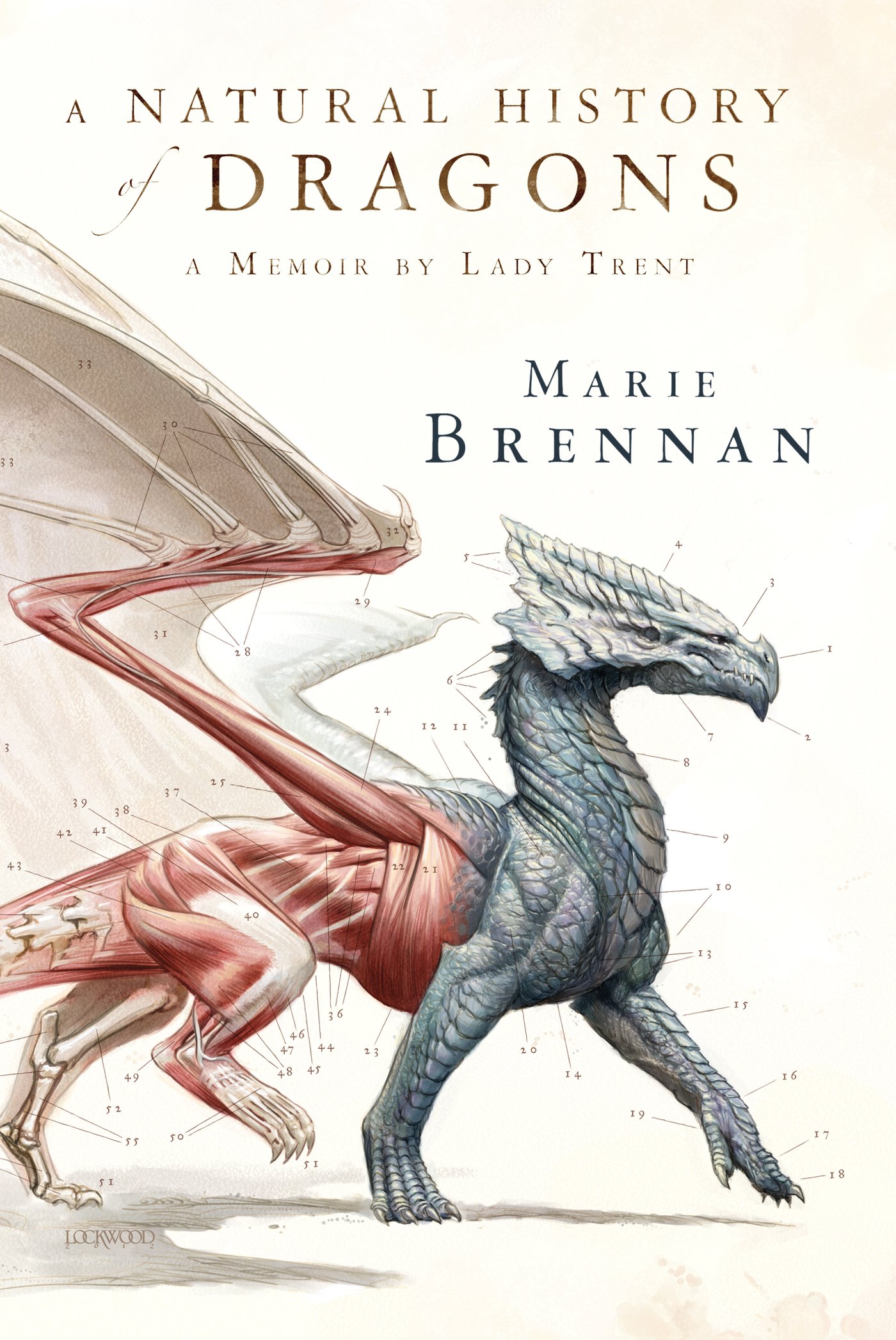
Book Review: A Natural History of Dragons, by Marie Brennan

WHERE ARE MY DRAGONS!?

Erm, excuse me. That was a bit uncalled for. Anyway:


Advertising is deception, and I'm no stranger to warping the truth when it better suits me, but even so I can't help but feel a bit betrayed by A Natural History of Dragons: A Memoir by Lady Trent. I was expecting more dragons.

The subtitle is the most important part of that title - ANHD is not any sort of faux textbook. It is a fantasy novel, written in the style of, as it says, a memoir by one 'Lady Trent'. When this framework is at its best, we get some very good insight into her character. We see the germination of an old woman who is passionate about her study, sometimes critical of the society around her, and nostalgic for her youth. We follow her from childhood as she discovers a love of dragons and peruses her urge to study them first into marriage and then into a perilous expedition to a foreign land. She recounts her thoughts and actions and intersperses the writing with a few of the drawings she made during her adventure, many of them depicting the dragons she has encountered.

Although Lady Trent has a strong voice, the other aspects of the novel fall short. The society it depicts is vaguely Victorian, and quite often Trent voices her discontent with the way woman are treated and how she, as a child, had little say in the path of her life, but it all feels a bit abstract. Her mother is the only character that embodies the negatives of this society in any real way, and she is only present in the margins of earlier chapters. Lady Trent's father is shown as a kind person who lets her indulge in her dragon fixation, and though he forces her to marry, the grooms he lets her choose from are all tailored to her preferences. The man she ends up marrying--Jacob Camherst--also has an interest in dragons, and is more than happy to continue supplying her with books and research journals about them. Although she has to persuade Jacob somewhat in order to accompany him on his dragon-hunting expedition, his resistance is flimsy. Throughout the book she experiences very little fallout for any of the taboos she violates, and her social commentary amounts to little more than "Patriarchy sure sucked back then, but luckily I dodged most of it."

This would be less of an issue, I think, if we understood something about why Jacob and her father are apparently such great exceptions. But they, as with most of the supporting cast, are very underwritten. We get some sense of what they do and why they are interested in dragons, but they show no growth, and we do not spend enough time with them to get to know how they think. Lady Trent's maid, Dagmira, is the only secondary character I felt I understood at the end of the book. The others feel as if they exist only to fulfill their function in the plot; they seem disconnected from the society they were born into. As it is, we are told about a system of oppression without seeing any of its actors or victims.

Alone, this shortcoming might be overcome by a strong plot or an interesting world, but neither are quite as engaging as they should be. The setting is generic. It's not Tolkien-esque fantasy--there are no elves, nor is there any magic--but more of an alternative Earth with dragons. It feels very similar to Ursula le Guin's Malafrena, which was an alternate history that took place in a fictional European country. But while Le Guin takes the time to flesh out the geographic and political landscape of her world, Brennan has Lady Trent gloss over most of the details. In the same way Will Save the Galaxy for Food relies mostly on established tropes to serve as shorthand for its setting, ANHD just sort of assume we get what's going on. The result is a world that feels empty and unexplored. This is a world with dragons, and though they are the primary motivator of our protagonist, they seem like an almost superfluous layer of the world. They are curiosities, little more than exotic big game. There is no indication of how they might have shaped this land's history, or a hint at what alternative taxonomy they might fit into in this world. It's as if dragons showed up in Victorian-era England and everyone just shrugged and ignored them. They exhibit fantastic abilities, yet it seems no one was bothered to really study them before our hero. There has to be a first, I guess, but because we don't have a good understanding of our setting's history it all feels very arbitrary.

Lady Trent talks about how she has become famous for her dragon discoveries, but we only get a glimpse at what she has accomplished. She has lived a full life, but these memoirs cover only a small section of her personal development. Throughout the story she mentions the other adventures she's had, and all of them sounded much more interesting that what was on the page before me. We don't get enough gossip to be engaged in drama; we are too insulated from her society to really get a feel for it; and the plot does not start to get very tense or interesting until the last 50 or so pages, when actual stakes are introduced.

The dragon details we do get are intriguing, but neat tidbits do not make a compelling narrative. In a book called A Natural History of Dragons, there is barely enough of either the science or the animals to hold my curiosity--another unfortunate waste of a good title. There are sequels to this book, presumably where more dragons are seen, but spreading out those scraps just makes for multiple unsatisfying meals. This endeavor would have been better as an anthology of Lady Trent's adventures, or a more scholarly tome with dragon details. As it is I'm not really interested in finding out more, either about the dragons or Trent herself.

Yet, even after everything I have said, this is not a bad book. I was never mad while reading it, only a little bored at points. I can't quite say it's good, but it far surpasses something like Autonomous, which was interesting because of its flaws not in spite of them. The prose itself is good, and Lady Trent is a strong character. The dragons, when they do show up, are interesting and creative; if only they showed up more. The artwork is lovely, but too sparse to elevate the work as a whole. A Natural History of Dragons displays real talent and has good ideas, but the entirety of the work is less than the sum of its parts. This is just above average as a novel, I'd say. Probably still worth a read, if you like dragons, but only if it's on sale.

 A Natural History of Dragons is available on Amazon and in most retail book stores.

Saturday, April 28, 2018

Book Review: 2001 A Space Odyssey, by Arthur C. Clarke

The most interesting thing about adaptions, I think, is how they compare to their source material. Adaption can be anything from an attempt at replication (anime adaptions tend to be almost shot-for-shot recreations of the manga they pull from), to creating something almost completely new (the Marvel Cinematic Universe takes the names of its Avengers events from the comics, but they are only loosely related to the plots therein; a more extreme example would be something like the original Full Metal Alchemist, which might as well be a whole new new show by its conclusion). In any case, I love being able to watch something and getting a sense of what choices were made in its creation: Why did they move this character here? Why did they cut out this scene? Why did they add this plot point? The mechanics of storytelling can sometimes be as interesting as the stories themselves, and dissecting them is as much fun as watching them play out.

I was excited to learn then, upon reading its forward, that 2001: A Space Odyssey is not the source material for the movie, nor is the movie the source for the book. The script and book were written concurrently--the story was a collaboration between Stanley Kubric and Arthur C. Clarke, based upon a short story Clarke had written much earlier in his career. The book released several months after the movie hit theaters, and the most notable thing, I think, is how it is at once identical to the movie in plot, structure, and tone, yet still compelling for its own sake.

If you have seen the movie, you know what happens. The monolith lands on Earth. It gives apes knowledge. Man reaches the moon, and discovers a second one that sends a signal to Saturn (in the movie it was aimed at Jupiter, one of the few big differences). A space ship is sent out. Hal 9000 becomes murderous. David Bowman reaches the final monolith ('The Star Gate'), and after traversing an unfathomable distance becomes something quite more than human. However, while 2001 the movie has an almost overwhelming sense of awe and mystery, the book's purpose is to explain. This is partially a result of the medium--one can write about haunting Latin chanting all day, but it will never convey a tenth of what is so unnerving about the film's Requiem--but Clarke's style suits the choice well. He does not focus on character: the ape we follow in the beginning is treated as little more than an animal, and the two men we see later feel very much the same. This is mostly because we simply do not spend much time with Heywood Floyd, the man who goes to investigate the monolith on the moon, and so we walk away with only an impression of who David was before he ascends with the aliens. We are told why things are happening in mostly explicit detail. We known the purpose of the monolith from the start. We get greater insight into the rational behind Hal's betrayal. We are told what happens to Dave in the end. There is little to interpret here, and even the ending has a clear purpose. The only thing left up to the imagination is the fate of humanity, and the fate of whatever David has become.

I could see people being disappointing with this; 2001: A Space Odyssey is so captivating precisely because it is vague. The movie works on a sensual level, and our interpretations make it more personal, more interesting to discuss. The novel is more of an intellectual curiously. We are drawn forward by what the answers might be, and then we get them. The movie is like a magic trick, and the novel is the magician, teaching us how it was done. However, even though the movie and book are nearly twins, that does not make them inseparable. If knowing how the trick works ruins it, then I would not recommend this book; but barring that, it makes a great companion to the movie, and stands up just fine on its own.

Clarke's writing is never too flowery or too technical; it is clear and precise. I don't really have much to say about it. It is the kind of effective you do not notice--like good special effects in a movie. We experience wonder with our characters, and tension in tense situations. I could find a few things to nit-pick if I gave it another go through, I'm sure, but it is good writing. I have no complaints. I'm glad I read it.

If you liked the movie and want more answers at the expense of some of the awe, then definitely pick it up. If you want solid, classic sci-fi, I would recommend it. A good book.

2001: A Space Odyssey is available on Amazon and wherever books are sold.

Sunday, March 25, 2018

Book Review: Ringworld, by Larry Niven

A deserved classic and a damn fine book.

If you want a good lesson in pacing look no further than Ringworld. It hits the ground running and does not let up until the very last page, yet it is never rushed, and the brisk pace makes the slower moments even more impactful. Not a word is wasted here; the book takes all of two and a half pages for the plot to kick into high gear when the veteran space pilot Louis Wu is accosted by an alien named Nessus who invites him to join him on a mysterious mission in an uncharted region of the galaxy. Nessus is one of a species known as Pierson's puppeteers, a race known for their utter devotion to caution, and he is the first puppeteer to appear on Earth in over 200 years. Driven by curiosity, Louis agrees to be the mission's pilot, and soon after we meet Speaker-To-Animals, one of the war-loving kzin species who is hired to be the group's muscle. The final member of their crew is Louis' lover Teela Brown, a young girl who is selected by Nessus for her incredible luck (more on that later).

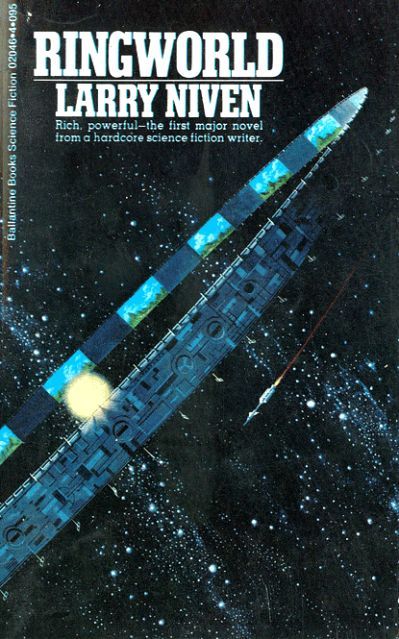
Louis and his crew discover and crash land on the titular Ringworld (it's exactly what it sounds like; see cover), and then must explore the vast landscape around them in order to repair their ship and find some way to escape. The story is an adventure, but the majority of the plot is driven by the characters and their reactions to the environment around them.

Entwined with its excellent pacing is a good sense of character building. At first the aliens of Louis' crew are rather archetypal: the kzin is a proud warrior from a proud warrior race and jumps to violence at the drop of needle; and Nessus is cautious to a fault, just like every other person from his species. It would be easy to write such alines as one-note cutouts of their respective races, but instead Larry Niven uses this foundation to build complex characters that both subvert their archetype and fufill it to its logical extreme. For example, the bloodthirsty kzin have historically warred with humanity to the point of near-extinction, and are now peaceable enough to send ambassadors and establish treaties with other civilizations, while the puppeteers, though considered weak cowards, have practiced caution and safety to such an extreme that their technology is vastly superior to any other species in the galaxy (except the builders of the ringword, hence why they want Louis to investigate it). There are more individual examples as the story progresses, for we see that each character has a much greater depths than the stereotype of their species would suggest. The kzin Speaker proves himself to be the most reasonable of the group in many cases, while Nessus's is revealed to be 'mad' for his species, as no one else would have dared to go on such a mission in the first place.

As with all good science fiction, the characters are vessels for ideas, but they are characters first, and though many scientific concepts are discussed such conversations are always logical consequences of the story--there are no random lectures or tangents. Even the most technical aspects of the book are character-driven, as who is presenting an idea is just as important to a scene as the idea itself. We are right with our cast as they try to reason out the wonders they encounter.

The ringworld is vast and mysterious, but perhaps the most interesting part of the narrative is the character of Teela Brown. On a surface level, her character is underwritten and, as the only female character in the book, unfortunately flat. Louis laments that she is too naive to really know what she is signing up for (she has never been 'hurt' as he puts it), and he does his best to dissuade her from joining him on Nessus' mission. There were several scenes early on where I feared she might end up as just a trophy for Louis but by the end of the book all of these aspects feel like intentional choices. Her character seems to be the central idea. Teela might lack any agency whatsoever, or her choices and desires might be the sole reason anything happens in the book at all.

As stated earlier, Teela was selected by Nessus for her "luck." In the future of Ringworld, aging has been halted almost completely (Louis Wu is around 200 years old), and as a consequence the Earth has become incredibly overpopulated. Only winners of a lottery system are allowed to have children, and Teela is the descendant of several generations of consecutive lottery winners (she is only 20). Teela, Nessus reasons, has been genetically selected for luck by the evolutionary pressure of the lottery system--only people who are lucky will get selected, so only lucky people will pass on their genes, so their offspring will have those "luck" genes, and then only the luckiest of the next generation will pass on their luckier genes, etc.--and so if she accompanies them, she will ensure they will not encounter any trouble. She is their "good luck charm."

Louis, at first, finds the idea ridiculous, and after their ship crashes both he and Nessus abandon the notion that luck can be selected for through evolution. But then Louis keeps pondering the idea. He had complained that Teela had never been hurt, either emotionally or physically, and he was envious of her innocence before they left Earth. This would be very lucky, he knows. Soon the idea works its way back into his mind, and as Teela survives more and more perilous situations he becomes convinced that she is indeed the luckiest person alive. Teela's character, we come to realize, is an exploration of luck as a physical concept--and it is taken to its logical extreme. I will not go into the details, as that is part of the fun of the book, but suffice it to say that 'being lucky' does not mean the same as 'being safe.' Her luck drives her to become a more complete person, and by the end of the novel Teela chooses to stay and explore the ringworld on her own.

I don't have too much more to say without turning this into a full-blown analysis (and I don't really have the patience to build something like that right now), but I have a few closing comments. There is a good deal of humor here, all arising from the interplay of Louis Wu's motley crew, and enough worldbuilding to make the world feel real while leaving you wanting more.

A few elements could be construed as problematic, but they are minor blemishes. There are a few racist word choices that jump out as simply dated and unnecessary, but they are only one-off bad descriptors. There are no insidious ideas or degrading situations like those in Stranger in a Strange Land, and even if you read Teela Brown as more of an idea than a character, there is at least a lot of nuance and intrigue in the discussion to be had around her.

Overall, a very good book, and an easy read. If you enjoy science fiction, definitely pick it up.

Ringworld is available on Amazon in print, ebook, and audiobook formats, and wherever books are sold.

Popular Posts